

If you are researching dental veneers, one of the first questions you are likely to ask is what actually happens to your natural teeth during the process. Tooth preparation is an important part of the veneer journey, and understanding what it involves and why it is done helps you make a more informed decision about whether veneers are the right path for you. Porcelain and composite veneers in Coopers Plains are one approach to addressing discoloured, chipped, or worn teeth, though suitability depends on your individual oral health.
For most people, the concern is not just about the end result. It is about what happens in between: how much tooth structure is removed, whether it hurts, and what your teeth look like before the permanent veneers are fitted. These are all reasonable things to want to know before committing to treatment.
Quick Overview
- Tooth preparation for veneers is the process of reshaping the front surface of a tooth so that a custom veneer can sit flush and bond securely
- People with discoloured, chipped, worn, or slightly uneven teeth may be assessed as suitable candidates; suitability depends on individual oral health
- A thin layer of enamel is typically removed from the tooth surface, impressions are taken, and temporary veneers may be placed while custom veneers are made in a dental laboratory
- The amount of enamel removed, your oral health before treatment, the veneer material chosen, and your bite all affect how the preparation proceeds
- A thorough initial consultation and dental assessment helps determine whether veneers are appropriate, and whether any preliminary treatment is needed first
Keep reading to understand the preparation process in detail, what affects how much enamel is removed, and how porcelain and composite veneers differ at the preparation stage.
What Does It Mean to Have Teeth Prepped for Veneers?
Having your teeth prepped for veneers means the visible front surface of each tooth is carefully reshaped so that a thin custom shell, the veneer, can be bonded onto it and sit naturally in line with your surrounding teeth.
Without any preparation, placing a veneer directly onto an unaltered tooth would cause it to protrude outward, which would look and feel unnatural. Preparation creates a flat, slightly textured surface that allows the dental cement to form a strong bond, and gives the veneer room to sit at the correct depth.
Veneers are thin shells bonded to the front surface of teeth, and only a small amount of natural tooth structure needs to be removed to accommodate them. The exact amount removed depends on the type of veneer and your individual tooth anatomy.
How Much Enamel Is Removed When Teeth Are Prepped for Veneers?
The amount of enamel removed during tooth preparation is generally small, but it varies depending on the veneer type and each person’s teeth.
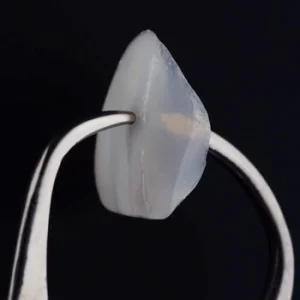 For traditional porcelain veneers, preparation typically involves removing around 0.3 to 0.7 mm of enamel from the front (labial) surface of the tooth. Retaining as much natural enamel as possible is considered important for long-term veneer bond strength, as the veneer adheres directly to the enamel surface.
For composite veneers, the preparation is typically more conservative. In some cases, composite resin can be bonded with minimal or no enamel removal, though a light roughening of the tooth surface is often still performed to support adhesion.
The key point is that tooth preparation for veneers is less invasive than preparation for a dental crown, which covers the entire tooth. However, because enamel does not regenerate, the process is generally considered irreversible. This is something to discuss thoroughly with your dentist at your initial consultation.
Individual outcomes vary depending on your existing tooth structure, the position of your teeth, and the type of veneer being placed.
What Happens Step by Step When Teeth Are Prepped for Veneers?
Understanding the full veneer preparation process helps you know what to expect at each appointment.
- Initial consultation and oral health assessment
Before any preparation begins, your dentist examines your teeth and gums to check for decay, existing restorations, gum disease, or bite issues that could affect how veneers sit or bond. X-rays may be taken. If any of these issues are present, they are addressed before veneer treatment proceeds.
- Treatment planning and shade selection
You and your dentist discuss your aesthetic goals, which teeth will receive veneers, and whether porcelain or composite best suits your situation. Shade matching is part of this stage to ensure the veneers align naturally with your existing teeth.
- Enamel removal and tooth reshaping
A thin layer of enamel is removed from the front surface of each tooth being treated. Local anaesthetic is commonly used to keep you comfortable during this stage. Veneers sometimes require the tooth to be lightly ground down to create space for the thin shell.
- Impressions and dental laboratory fabrication
After reshaping, impressions or digital scans of your prepped teeth are sent to a dental laboratory, where your custom veneers are made. Porcelain veneers typically take one to two weeks to fabricate.
- Temporary veneers
While your permanent veneers are being made, temporary veneers are often placed over your prepped teeth. This protects the enamel surface and maintains appearance in the interim.
- Final veneer placement
At your next appointment, the temporary veneers are removed, the tooth surface is etched with an acidic gel to improve bonding, and the permanent veneers are bonded in place using high-quality dental cement. The dentist checks your bite and makes any fine adjustments before polishing the veneers.
What Factors Affect How Much Tooth Preparation Is Needed?
The amount of tooth structure removed during veneer preparation is not the same for everyone. Several factors influence the extent of preparation:
- Tooth position: Teeth that protrude slightly may require more reduction to allow the veneer to sit flush
- Existing cosmetic concerns: Darker discolouration, chips, or worn edges may call for greater enamel removal to fully mask the underlying surface
- Veneer material: Porcelain veneers are thicker than ultra-thin composite alternatives, so they may require more space
- Bite and grinding history: People who grind their teeth (bruxism) may need additional assessment before veneer treatment, as bite forces can affect how preparation is planned
- Oral health status: Decay, gum disease, or large existing fillings can affect whether veneers are appropriate at all, or whether preparatory treatment is needed first
A consultation at Sure Smile Dental in Coopers Plains includes a clinical assessment of these factors before any preparation is discussed.
Caring for Your Teeth After Veneer Preparation
Once your teeth have been prepped and your permanent veneers are in place, proper oral hygiene supports the longevity of the result. Brushing twice daily with a soft-bristled toothbrush and flossing once a day forms the foundation of good oral care for natural teeth and dental restorations alike.
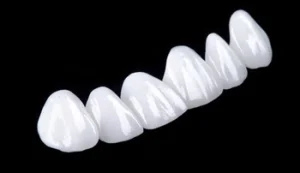 For veneers specifically:
- Use a soft-bristled toothbrush and non-abrasive toothpaste to avoid wearing down the veneer surface
- Avoid biting into very hard foods directly with the veneered teeth
- If you grind your teeth at night, discuss a night guard with your dentist
- Attend regular check-ups so your dentist can assess the condition of the veneers and the underlying teeth
Some tooth sensitivity in the days following preparation is common, particularly for porcelain veneers, as the enamel surface has been altered. This typically settles once the permanent veneers are bonded in place. If sensitivity persists, raise this with your dentist.
A Considered Approach to Teeth Prepped for Veneers
Veneer preparation is a careful process that requires assessment, planning, and skill. The amount of enamel removed, the veneer material chosen, and your underlying oral health all shape how the procedure proceeds and what the outcome looks like. Because preparation involves changes to your natural tooth structure, it is a decision that benefits from a thorough conversation with your dentist before you commit.
If you would like to explore whether veneers may be appropriate for your situation, you are welcome to book an assessment with Sure Smile Dental.
Call us on (07) 3185 2387 or book an appointment online.
Note: Any surgical or invasive procedure carries risks. Before proceeding, you should seek a second opinion from an appropriately qualified health practitioner.
Frequently Asked Questions
Does getting teeth prepped for veneers hurt?
Most patients find tooth preparation comfortable when local anaesthetic is used. You may feel pressure or vibration during enamel removal, but significant discomfort is uncommon. Some sensitivity in the prepared teeth is normal in the days that follow, particularly before the permanent veneers are placed. This usually settles after final placement.
Are teeth prepped for veneers permanently altered?
Yes, in most cases. Because enamel does not grow back, traditional porcelain veneer preparation is considered an irreversible process. This is one reason why careful assessment and treatment planning before committing to veneers is important. Minimal prep and no-prep options may be reversible in some cases, but suitability depends on your individual tooth anatomy and cosmetic goals.
Can teeth prepped for veneers get cavities?
Veneers cover the front surface of the tooth but do not protect every surface. The underlying tooth and the margins where the veneer meets the tooth are still susceptible to decay if oral hygiene is not maintained. Brushing twice daily, flossing, and attending regular dental check-ups are important for keeping prepped teeth healthy under the veneer.
How long does the veneer preparation process take?
A consultation and initial assessment are usually scheduled first. The preparation appointment itself, where enamel is removed and impressions are taken, typically takes one to two hours depending on how many teeth are being treated. After the dental laboratory fabricates the custom veneers, usually in one to two weeks, a second appointment is needed to bond the permanent veneers in place.
What is the difference between teeth prepped for veneers and dental crowns?
Tooth preparation for a veneer is generally more conservative than for a crown. A veneer covers only the front surface of the tooth, so enamel removal is limited to the labial face. A crown encases the entire tooth and requires reduction from all sides. Crowns are typically recommended when a tooth is more significantly damaged or structurally compromised.
Can I whiten my teeth after getting veneers?
Whitening treatments do not change the colour of veneer material, whether porcelain or composite. If you are considering teeth whitening, it is generally recommended to do so before veneer placement so your dentist can match the veneer shade to your whitened teeth. Whitening after veneers are placed may cause a colour mismatch between the veneers and your natural teeth.
References
Healthdirect Australia. (2026). ‘Veneers’. Healthdirect Australia, 15 June. Canberra, ACT: Australian Government Department of Health. https://www.healthdirect.gov.au/veneers
Better Health Channel. (n.d.). ‘Dental treatment’. Better Health Channel. Melbourne, VIC: Victorian Government Department of Health. https://www.betterhealth.vic.gov.au/health/conditionsandtreatments/dental-treatment
Queensland Government. (2022). ‘Brushing and flossing’. Queensland Government, 16 March. Brisbane, QLD: The State of Queensland. https://www.qld.gov.au/health/staying-healthy/oral-health/good-oral-health/brushing-and-flossing
Australian Institute of Health and Welfare. (2026). ‘Dental and oral health overview’. Australian Institute of Health and Welfare, 16 January. Canberra, ACT: AIHW. https://www.aihw.gov.au/reports-data/health-conditions-disability-deaths/dental-oral-health/overview

The practical side is worth considering when managing trading risk.
investment decision tools