

Many children develop cavities in their back teeth even with a consistent brushing routine. The deep grooves on molars trap food particles and bacteria in places a toothbrush cannot always reach, making these surfaces particularly prone to decay.
Dental sealants are one option a dentist may raise to help protect those vulnerable surfaces. For parents looking into children’s dental care options, knowing what sealants involve makes for a more informed conversation at your child’s next check-up.
Quick Overview
- Dental sealants are thin protective coatings placed on the chewing surfaces of back teeth to help reduce decay risk.
- They may be suitable for children from around age six, though suitability depends on each child’s individual teeth and circumstances.
- Sealants work by blocking bacteria from settling in the deep grooves where decay tends to begin.
- Outcomes depend on the condition of the teeth at the time of application and oral hygiene habits maintained over time.
Below, we cover what dental sealants involve, when they may be recommended, and when to discuss them with your child’s dentist.
What Are Dental Sealants for Kids?
Dental fissure sealants are thin protective coatings placed on the chewing surfaces of back teeth, most commonly the permanent molars. They fill the deep grooves and pits where decay often starts.
The procedure is non-invasive. A special gel prepares the tooth surface, the sealant material is applied, and a special light sets it in place.
 Which Teeth Do Sealants Go On?
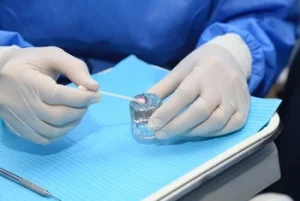 Which Teeth Do Sealants Go On?
Sealants are most often recommended for the first permanent molars, which come through around age six. Second molars, arriving around age twelve, may also be suitable.
In some cases, a dentist may recommend sealing baby teeth with particularly deep grooves, especially for children at higher risk of decay.
Why Are Dental Sealants Recommended for Children?
Tooth decay is one of the most common oral health concerns affecting Australian children. Back teeth are particularly vulnerable because their deep grooves are harder to clean thoroughly, even with regular brushing.
Dental sealants directly address this by covering the grooves before decay has a chance to develop. Not every child will need them. Suitability depends on the condition of each tooth and your child’s individual decay risk.
How Long Do Dental Sealants Last?
Sealants last from two to seven years, though they may last longer with good care. Regular dental check-ups allow your dentist to monitor your condition and reapply them where needed.
Good habits at home, including limiting sugary foods and drinks, support their effectiveness. Sealants work alongside, not instead of, a daily oral hygiene routine.
A Considered Approach to Your Child’s Oral Health
Dental sealants are one preventive option worth raising at your child’s next check-up. They are not suited to every child, and the right approach depends on individual tooth shape, decay risk, and overall oral health.
If you would like to find out whether sealants may be appropriate for your child, the team is happy to discuss this. Call Sure Smile Dental on (07) 3185 2387 or book your child’s appointment online.
Frequently Asked Questions
At what age should kids get dental sealants?
Sealants are most often recommended around age six, when the first permanent molars come through. The second set of molars, arriving around age twelve, may also be considered. A dentist will assess each tooth and your child’s overall decay risk before making a recommendation.
Are dental sealants safe for children?
Dental sealants have been used in children’s dentistry for several decades. The procedure does not involve drilling or anaesthetic in most cases. Your dentist will explain what the application involves before proceeding.
Do sealants replace the need for brushing and flossing?
No. Sealants protect the chewing surfaces of back teeth but do not cover the spaces between teeth. Brushing twice a day, flossing, and attending regular check-ups remain important for overall oral health.
How long does sealant application take?
Each tooth takes only a few minutes to seal. The appointment is generally straightforward and does not require sedation for most children.
Can dental sealants go on baby teeth?
In some cases, yes. Sealants may be recommended for baby teeth with very deep grooves where the risk of decay is higher. Each tooth is assessed on its own merits.
References
Department of Health and Human Services. (n.d.). ‘Dental Sealants’. Better Health Channel. Melbourne, VIC: Victorian Government. https://www.betterhealth.vic.gov.au/health/conditionsandtreatments/dental-sealants
Healthdirect Australia. (2025). ‘Dental Fissure Sealants’. Healthdirect Australia, 16 October. Sydney: Healthdirect Australia. https://www.healthdirect.gov.au/dental-fissure-sealants

No one likes dealing with a damaged tooth, but ignoring it can make things worse. A small problem today could Read more

Tooth sensitivity is not just a passing discomfort. It can point to changes in your oral health that deserve early Read more

For many people with missing teeth, the ability to wear dentures all the time, without constant removal or discomfort, can Read more
Recent Comments