

Many people brush their teeth every day but still notice brown or yellow deposits along the gum line. These deposits are often dental tartar, a hardened layer that forms when plaque stays on the teeth for too long.
Dental tartar removal plays an important role in maintaining oral health because tartar cannot be removed through normal brushing alone. Over time, untreated tartar buildup may lead to irritation of the gums, tooth staining, and other oral health issues.
Understanding how tartar forms, why it develops, and how dentists remove it can help patients take better care of their teeth and gums. With the right daily habits and regular dental visits, it is possible to reduce the chances of tartar returning.
What Dental Tartar Is And How It Forms
Before tartar develops, a softer substance called plaque first appears on the teeth.
Dental plaque is a sticky film made up of bacteria in your mouth, saliva, and small food particles. These bacteria feed on sugars from foods and drinks. This process can create plaque on the surface of the teeth and near the gum line.
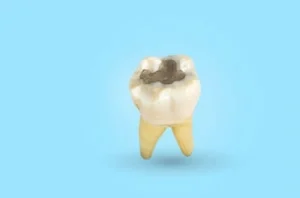 This stage is known as plaque formation. If the plaque is removed daily through brushing and flossing, it usually does not cause problems.
However, when plaque buildup stays on the teeth for longer periods, minerals from saliva begin to harden it. This process leads to tartar formation. Once tartar forms, it becomes a rough deposit often called dental calculus.
Unlike plaque, which can be removed by normal brushing, hardened plaque attaches firmly to the teeth.
When tartar appears, it may look yellow, brown, or even darker depending on diet and habits. Over time, existing tartar can continue to accumulate plaque, making the tooth surface rougher.
Why Tartar Buildup Can Affect Teeth And Gums
When tartar develops along the gum line, it can irritate the surrounding tissue.
The rough surface of dental tartar allows more bacteria to gather around the gums. This can lead to redness or bleeding gums, especially during brushing.
If irritation continues, it may progress to gum disease, a condition where the gums become swollen and sensitive. In more advanced stages, this may lead to periodontal disease, which affects the structures supporting the teeth.
Long-term gum inflammation may also contribute to receding gums, where the gum tissue slowly pulls away from the teeth. When this occurs, more of the tooth surface becomes exposed.
Tartar can also trap bacteria close to the tooth surface. These bacteria may produce acids that weaken tooth enamel, increasing the risk of tooth decay.
If both gum and tooth problems continue untreated, complications such as infection or even tooth loss may occur in severe cases.
Another common sign of heavy tartar buildup is persistent bad breath. Bacteria trapped around tartar deposits may release unpleasant odours.
For these reasons, controlling tartar buildup is an important part of maintaining good oral health and protecting a healthy smile.
Why Tartar Cannot Be Removed at Home
Many people search for ways to remove tartar or try tartar home remedies. However, once plaque becomes hardened, it attaches tightly to the tooth surface.
 Because of this, it is difficult to effectively remove tartar using normal brushing alone.
Some home methods suggest using ingredients like baking soda to clean the teeth. Baking soda can help with mild surface stains and may help remove plaque before it hardens.
However, these methods cannot safely remove existing tartar that has already formed. Attempting to scrape tartar from the teeth may damage tooth enamel or irritate the gums.
For this reason, dentists usually recommend professional tartar removal when tartar deposits develop.
How Professional Cleaning Removes Tartar
A professional cleaning is the appropriate way to manage dental tartar removal.
During this process, a dentist carefully examines the mouth to identify areas of plaque buildup, dental calculus, and gum irritation.
Special instruments are used to gently break away tartar from the tooth surface and around the gum line. This step allows the dentist to remove hardened deposits that daily brushing cannot reach.
After tartar removal, the teeth are usually polished to smooth the surfaces. This helps reduce areas where plaque can attach again.
Removing tartar also supports plaque removal and helps improve the health of the surrounding gums.
Many people notice that their mouth feels cleaner and smoother after a professional cleaning. This treatment supports dental health and may reduce the chance of further gum disease developing.
Dentists often recommend regular dental check-ups so tartar can be identified and removed early before it causes problems.
Everyday Habits That Help Prevent Tartar
While tartar cannot always be avoided completely, daily care can help prevent tartar buildup.
An important step is maintaining good oral hygiene. This includes cleaning the teeth thoroughly each day to reduce plaque formation.
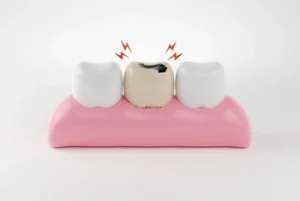 Dentists commonly suggest the following habits:
- Brush your teeth carefully twice a day
• Use fluoride toothpaste to strengthen tooth surfaces
• Clean between teeth during brushing and flossing routines
• Rinse away food particles after meals when possible
• Replace toothbrushes regularly for effective cleaning
Some people also choose to use an electric toothbrush, which may help clean difficult areas around the gum line.
These habits support healthy teeth and help prevent tartar from forming too quickly.
How Diet Influences Plaque And Tartar
Food choices can also affect how quickly plaque forms.
When people consume large amounts of sugary foods or starchy foods, bacteria in the mouth break down these carbohydrates and produce acids. This process can increase plaque buildup and support tartar formation.
Sticky foods may remain on the teeth longer, giving bacteria more time to grow. If the mouth is not cleaned soon after eating, plaque can accumulate.
Drinking water and maintaining balanced meals may help reduce the amount of residue left on the teeth.
While diet alone does not cause tartar, reducing foods that encourage bacteria can support good oral health and help maintain a healthy smile.
Final Thoughts
Dental tartar removal plays an important role in maintaining long-term oral health. Because tartar forms when plaque remains on the teeth for extended periods, it can gradually contribute to gum irritation, tooth staining, and other oral health concerns. Understanding how tartar develops can help people recognise why daily care and regular dental visits are important.
Although tartar cannot be removed through brushing alone once it has hardened, simple daily habits can help slow its formation. Brushing carefully, cleaning between the teeth, and maintaining balanced eating habits all support healthy teeth and gums. Combined with routine dental check-ups, these habits help reduce the buildup of plaque and tartar over time.
If you are concerned about tartar buildup or want guidance on maintaining good oral hygiene, you can book a consultation with us at Sure Smile Dental or call (07) 3185 2387 to discuss ways to support your long-term dental health.
Resources
“Cherney, K. and McLean, A. (2025). ‘10 Ways to Keep Your Teeth Healthy’. Healthline, 13 May. San Francisco, CA: Healthline Media. https://www.healthline.com/health/dental-and-oral-health/best-practices-for-healthy-teeth”
“Colgate (n.d.). ‘What Is Tooth Enamel?’. Colgate Oral Care Center. New York, NY: Colgate-Palmolive Company. https://www.colgate.com/en-us/oral-health/mouth-and-teeth-anatomy/what-is-tooth-enamel”
“Cleveland Clinic (2023). ‘Dental Plaque’. Cleveland Clinic, 10 May. Cleveland, OH: Cleveland Clinic. https://my.clevelandclinic.org/health/diseases/10953-plaque”


No one likes dealing with a damaged tooth, but ignoring it can make things worse. A small problem today could Read more

Tooth sensitivity is not just a passing discomfort. It can point to changes in your oral health that deserve early Read more

For many people with missing teeth, the ability to wear dentures all the time, without constant removal or discomfort, can Read more

Recent Comments