

A dead tooth can slowly change colour over time, often becoming discoloured or even turning a grey or light brown shade. This change can affect your smile and may make you wonder: Can you whiten a dead tooth, or do you need additional treatments?
The short answer is yes. In most cases, you can whiten a dead tooth, but the process differs from the normal teeth whitening treatments used for healthy teeth. This guide explains the reasons for the colour change, the procedural steps, and the options for restoring a more natural appearance.
Why Does a Tooth Die and Change Colour
 A tooth can die when the nerve and blood vessels inside the pulp stop functioning. This may occur because of:
- Physical damage to the tooth
- Untreated tooth decay
- Deep cavities
- Persistent infection
- Complications that require a root canal treatment
When the pulp dies, the tooth can no longer respond the way a living tooth does. Over time, the tooth becomes dead, and the internal breakdown causes discolouration. This discolouration is different from normal surface stains, which is why regular whitening treatments or shop-bought products may not work.
In most cases, the colour deepens slowly, and people begin to notice signs such as the tooth looking darker or duller, or not matching the rest of their smile.
Can You Whiten a Dead Tooth
Yes. You can whiten a dead tooth, but the procedure differs from standard tooth whitening for the rest of the mouth. Because the discolouration comes from inside the tooth, your dentist uses a bleaching agent inside the tooth rather than placing it on the outside surface.
This method is often called internal whitening, internal bleaching, or non-vital whitening. It is designed to whiten a dead or discoloured tooth from the inside out.
Here is how the procedure usually works.
How Dentists Whiten a Dead Tooth
The following procedural steps are commonly used to safely whiten a dead tooth.
Assessment and Diagnosis
Your dentist checks the tooth for infection, symptoms, remaining pulp tissue, or underlying issues that could affect the procedure.
If the tooth has not had a root canal, it may need one before whitening begins.
Preparing the Tooth
The dentist creates a small opening at the back of the tooth and places a safe bleaching agent or whitening agent inside it.
Internal Whitening
The bleaching agent inside works over several days to brighten the internal structure.
You return for a follow-up appointment, and the dentist replaces or refreshes the material until the desired results are reached.
Sealing the Tooth
Once the colour improves, the opening is sealed to protect the tooth from bacteria and infection.
This treatment is usually well tolerated, and most people experience only mild discomfort. It is designed to brighten the tooth from the inside rather than bleaching the outer enamel like traditional teeth whitening treatments.
When Whitening Alone May Not Work
Even though you can whiten a dead tooth, internal bleaching does not always create a perfect match. In most cases, it significantly improves the colour, but some teeth may still look slightly darker than surrounding healthy teeth.
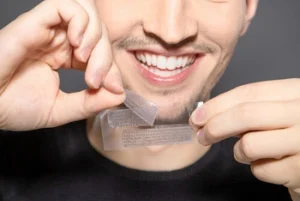 If whitening does not achieve your desired results, your dentist may recommend additional treatments, such as:
- Dental veneer
- Protective dental crown
- Cosmetic bonding
- Implants if the tooth cannot be saved
A veneer or crown can provide a more reliable, long-term way to fully restore shape and colour, especially if the tooth has undergone trauma, repeated treatment, or structural weakening.
How to Decide the Appropriate Treatment
Your dentist will help you decide the appropriate treatment based on:
- The shade of the discoloured tooth
- Whether the tooth is structurally sound
- Any history of trauma, infection, or previous root work
- Whether the tooth needs to be treated before whitening
- Your goals for a healthier, brighter smile
A full examination helps your dentist determine whether whitening alone is appropriate or whether a crown, veneer, or rebuilding step is needed for a more natural appearance.
Final Thoughts
So, can you whiten a dead tooth?
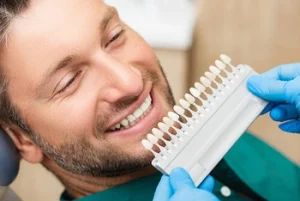 In many situations, yes. You can safely whiten a dead or discoloured tooth using internal whitening techniques performed by your dentist. This process helps brighten the tooth from the inside and may restore a much more natural look.
However, some cases require additional treatment, especially when the tooth has undergone significant trauma, structural wear, or long-term infection. Internal whitening is often the first step, and your dentist can explain which options may help improve the tooth’s appearance.
If you are concerned about the colour of a dead tooth or want a brighter and more even smile, you can book a consultation with Sure Smile Dental or call us on (07) 3185 2387. Our clinic can help assess your situation carefully and guide you toward options that support a healthier and more confident smile.
Resources
WebMD Editorial Contributors and Brennan, R. (2024). ‘Dental Crowns’. New York, NY, 14 October. New York, NY: WebMD.
https://www.webmd.com/oral-health/dental-crowns
Mayo Clinic Staff. (2025). ‘Root Canal Treatment’. Rochester, MN, 5 September. Rochester, MN: Mayo Foundation for Medical Education and Research.
https://www.mayoclinic.org/diseases-conditions/tooth-abscess/in-depth/root-canal/art-20585454





Recent Comments