

A damaged or weakened front tooth can change how you speak, smile, and interact with others. Small concerns often become more noticeable because front teeth sit at the centre of your smile. Many people wonder how a dental crown for the front tooth protects stability, supports appearance, and feels in everyday life.
A dental crown is more than a surface covering. It is designed to strengthen a natural tooth while helping it blend with surrounding teeth. When you understand how material choice, shape, and the dental crown procedure work, it becomes easier to decide whether this option suits your needs.
This guide explains when a crown may help, how the process works, and what to expect as you return to daily routines.
Situations Where a Front Crown May Help
Front teeth influence speaking, chewing, and facial balance. Because they sit so prominently, many people want a treatment that keeps their natural look while protecting the structure.
 Strengthening a Weakened or Damaged Tooth
 Strengthening a Weakened or Damaged Tooth
A weak tooth may result from an accident, enamel wear, or long-term bite pressure. A crown surrounds the tooth so pressure spreads evenly across the surface. This lowers the chance of future cracks, especially when the deeper tooth structure has changed from physical stress. The design helps the tooth underneath stay supported so the crowned tooth can keep up with daily function.
Supporting Teeth After Root Canal Care
A root canal treatment can save a tooth, yet the loss of internal tissue can leave a vulnerable surface. A permanent crown helps reinforce the remaining natural tooth structure, protecting it from fracture over time. When a root canal is completed, placing a crown helps preserve comfort and stability for daily use.
Restoring Heavily Treated or Decayed Areas
When cavities progress, decayed teeth lose firmness because bacteria weaken internal layers. A small area may be treated with filling material, but deeper breakdown often requires broader coverage. A crown surrounds the entire tooth, protecting vulnerable areas and helping stop further tooth decay. This support can improve comfort when speaking and eating by restoring earlier stability.
Enhancing Appearance and Balance
Some people choose front teeth crowns to refine how a tooth looks. Changes in colour or shape can make a tooth appear uneven. A crown can soften edges and support smooth surfaces, improving alignment with adjacent teeth. This approach helps maintain a balanced smile without altering other teeth.
How Front Crown Treatment Typically Proceeds
Front teeth are more noticeable, so small details matter. Each crown is shaped with care to support function and appearance.
Initial Review and Planning
The appointment begins with an examination to understand how the affected tooth fits within your bite. Images or scans show how the crown can blend with nearby teeth. The goal is to plan a form that looks natural and supports everyday activities. At this stage, your dentist may review material options and outline how the preparation will proceed.
Tooth Preparation and Temporary Support
A small layer of tooth enamel may be smoothed to create space for the final design. This preserves much of the natural surface while making room for a secure crown. Once prepared, an impression or digital scan is taken to record the exact dimensions.
A temporary crown is usually placed to protect the area while the final version is being made. This keeps the site comfortable and allows you to continue speaking and eating, with care, during the waiting period.
Crafting the New Crown
A dental laboratory uses the recorded measurements to create a new crown. The goal is to produce a shape suited to your mouth, matching contour and contact with other teeth. Shade is selected so the crown supports a natural look. During this stage, fine adjustments help ensure the crown reflects light in a familiar way.
Final Placement and Adjustment
Once ready, the crown is placed to check how it fits with the front teeth and back teeth. The crown is then bonded using dental cement. Minor refinements during this step help ensure smooth contact, balanced pressure, and comfort during movement. When seated correctly, the crowned tooth feels familiar almost immediately.
If the crown feels loose later, you should visit your dentist to have it checked.
Materials Commonly Used for Front Crowns
Material choice influences appearance, strength, and feel. Several types of crowns are used based on location, aesthetic expectations, and bite pressure.
Ceramic Crowns for a Smooth Blend
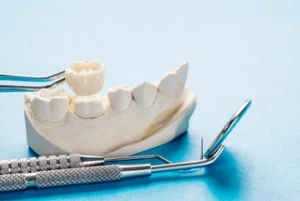 Ceramic Crowns for a Smooth Blend
Ceramic crowns are known for clarity and gentle reflection. They are often used on front teeth to support harmonious colour and shape. These crowns closely imitate natural enamel, making them a popular option when appearance is important.
Zirconia Crowns for Supportive Strength
Zirconia crowns provide notable durability. They may suit people who prefer a strong surface that matches nearby teeth. Though slightly less translucent than ceramics, modern layering improves aesthetic appeal without sacrificing firmness.
Porcelain Crowns for Balanced Form
Porcelain crowns also blend well with nearby surfaces. Their layered structure allows light to move softly across the front. When shaped carefully, they settle into the smile without drawing unnecessary attention.
Porcelain-fused-to-metal Designs
A porcelain-fused-to-metal option combines a metal interior with a tooth-coloured outer layer. These are strong and reliable, though the metal core may appear slightly darker over time near the gum margin. They are less common on front teeth, yet remain helpful when added support is needed.
Gold Alloy and Composite Resin Choices
Some crowns may be made from gold alloy or composite resin. Gold offers strength, though its colour suits less visible areas. Composite may be considered for temporary use or specific treatments where limited adjustment is needed. These crowns can support function, though each choice depends on goals and bite activity.
Routine Care for a Front Tooth Crown
Once fitted, routine care helps maintain comfort and appearance.
Daily Habits
Brush and clean carefully to protect the margin where the crown meets the tooth. This prevents plaque from collecting along the edges and keeps nearby sites healthy.
Protecting the Crown Surface
Avoid placing heavy pressure on the crown by using teeth only for eating. Habits such as chewing on pens or opening containers can place stress on the surface. A protective appliance may be suggested when nighttime clenching is present.
Regular Reviews
Check-ups allow your dentist to confirm that the crown remains stable. They review how the unit meets nearby surfaces and adjust contact if necessary. Early changes can be managed smoothly to avoid stress on the area.
When Replacement or Repair May Be Needed
Over time, a crown may show mild surface change. An adjustment may be recommended if contact shifts or wear develops. If deeper change affects the tooth underneath, planning helps determine next steps. Early review can help guide direction before larger concerns appear.
Considering Your Next Step
 Whether the goal is to support damaged or decayed teeth, refine balance after root canal treatment, or strengthen teeth after wear, a crown can protect long-term comfort.
Material selection, such as ceramic, zirconia, porcelain crowns, or other options, can be reviewed to suit your needs. Each dental implant, filling, or crown is planned to support appearance and function across daily life.
If you have questions about appearance or treatment steps, our dentist can guide you through the details in a calm and informative way. To discuss your needs, please contact our clinic on (07) 3185 2387.
References
https://www.news-medical.net/health/Procedure-for-Dental-Crowns.aspx
https://www.healthline.com/find-care/articles/dentists/dental-crown





Recent Comments